
Learn to identify foxtails
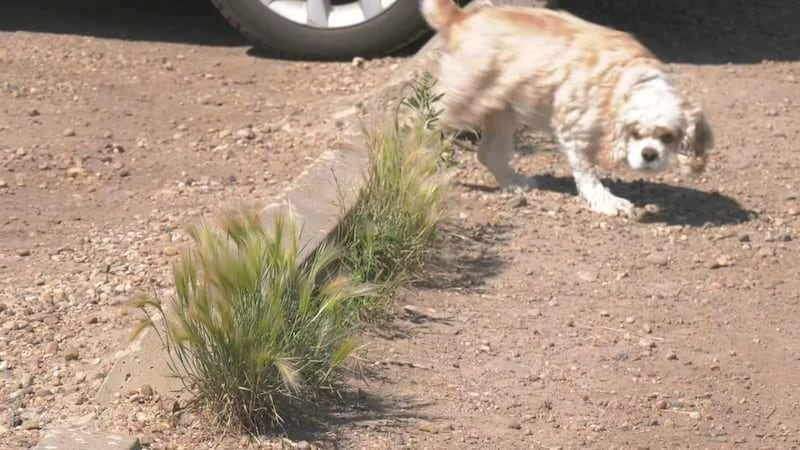
Foxtails are a type of wild grass with sharp, barbed seed heads that can easily latch onto your dog and work their way into the skin. In Portland, they often show up in parking strips, vacant lots, dog parks, and along popular walking routes once the weather turns dry.
By learning what foxtails look like at different stages, you can avoid them on walks and remove them from your own yard before they become a risk.
What foxtails look like
Foxtails get their name because the seed heads look like a fox’s bushy tail. They are usually:
Long, bristly, and brush-like at the tip
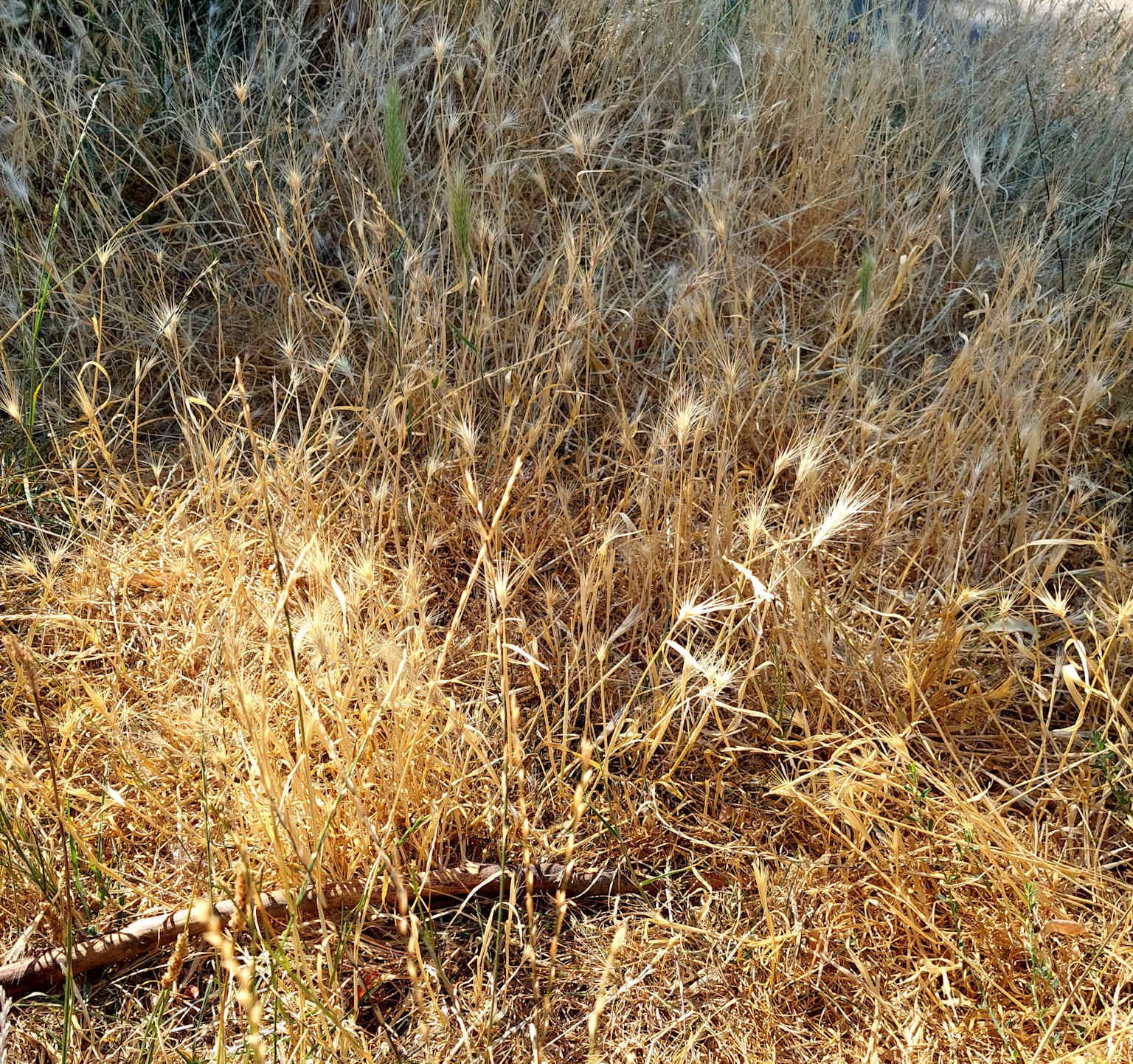
Green in spring, turning yellow or light brown as they dry
Covered in stiff, hairlike “awns” that point in one direction
Look for clumps of grass with these fuzzy, bottlebrush-style seed heads that stick out above the rest of the plant.
How foxtails change through the season
Foxtails don’t look dangerous at first. Here’s how they change over time:
Early growth: Soft, green, grass-like leaves with emerging, fuzzy seed heads
Mid-season: Taller plants with fuller seed heads that are still somewhat flexible
Late season (highest risk): Dry, tan seed heads that break apart easily into individual barbed seeds
The dry, brittle stage is when foxtails most easily attach to fur, socks, and shoes—and pose the greatest risk to dogs.
Key features to look for up close
When you get close to a suspected foxtail, look for:
Barbed awns: Tiny, stiff hairs or bristles all pointing in one direction
Sharp tips: Seed tips that feel pointed rather than soft
Easy break-off: Seed heads that crumble into individual segments when rubbed
If you gently roll a dry foxtail seed head between your fingers, it will tend to move in one direction because of the barbs—this is the same motion that can drive it into a dog’s skin.
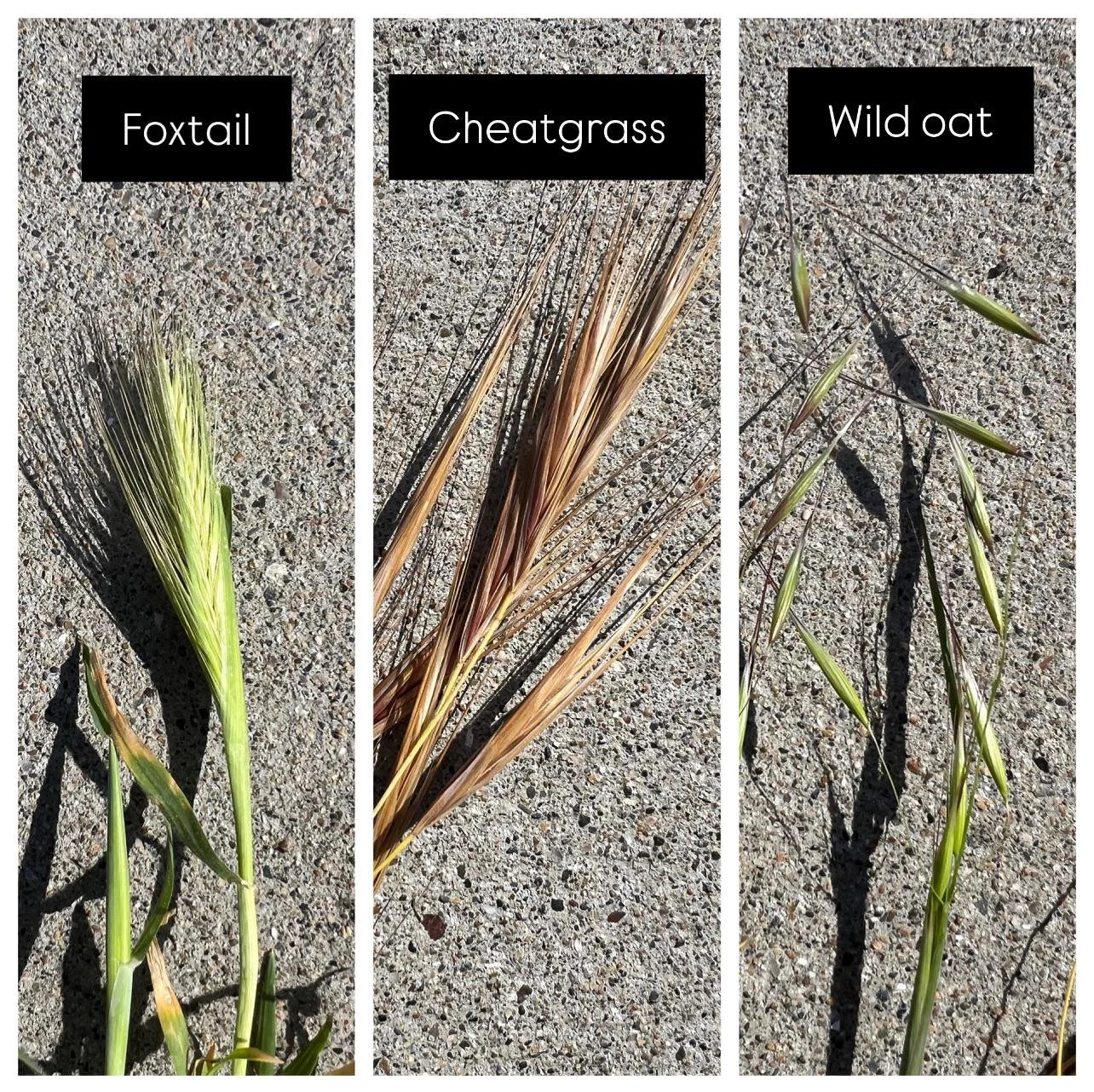
Image courtesy DoveLewisHow foxtails differ from safer grasses
Many grasses have fluffy or decorative seed heads, but foxtails are more dangerous because of their barbed structure. When comparing:
Safer grasses: Softer, more flexible seed heads that don’t easily break into sharp pieces
Foxtails: Stiff, bristly, and more “spiky,” with parts that detach and cling to fabric or fur
If a grass easily sticks to your socks or your dog’s fur and feels sharp or scratchy, treat it as suspicious and avoid it.
What to do when you spot foxtails
On walks: Steer your dog away from the patch and choose a different route when possible
On your property: Carefully remove foxtails before they fully dry and go to seed
On your dog: Check paws, ears, armpits, groin, and tail area after walks, especially in dry, weedy places
If you see foxtails growing in public spaces where dogs frequently walk, consider contacting the property owner or city to report them.