

Foxtails: Tiny Threat, Big Trouble for Dogs
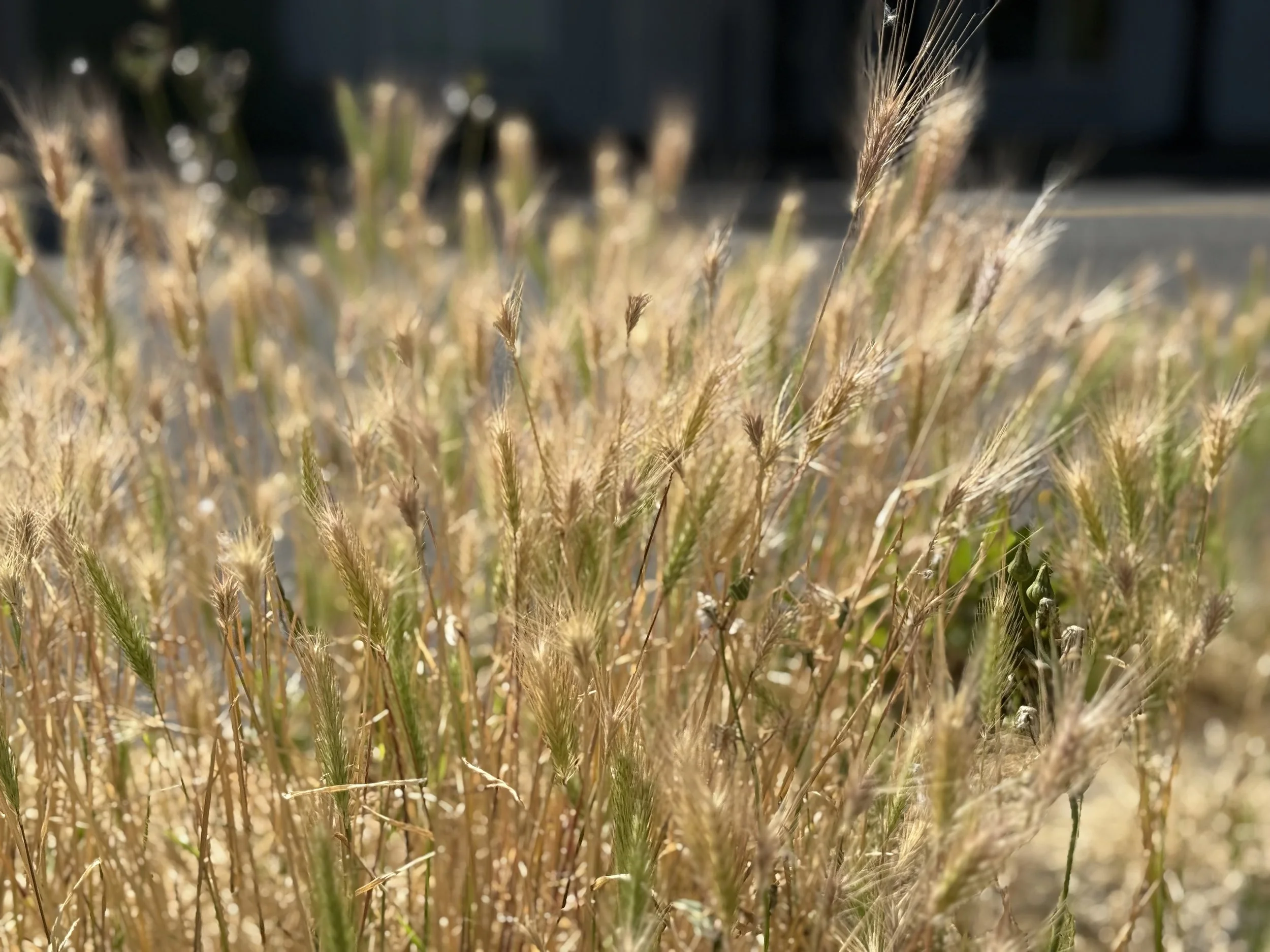
🌾 What Are Foxtails?
Barbed grass seed pods that cling to fur and easily migrate into skin, eyes, ears, nose, mouth, or lungs

⚠️ Why They're Dangerous
The barbs act like tiny one-way anchors, enabling foxtails to burrow deeper over time, often unnoticed
They can cause pain, infection, tissue damage, and even death if they reach internal organs .
Commonly affected areas include:
Paws (especially between toes): causes swelling, limping, licking
Ears: head shaking and scratching; mimics ear infections
Eyes: redness, discharge, irritation .
Nose & Lungs: sneezing, nasal discharge, coughing; serious infections possible
Real story: Kensley’s emergency from inhaled foxtails
Even a normal park visit can turn into an emergency when foxtails or grass awns get into a dog’s lungs. In this short video from Portland’s DoveLewis Emergency Animal Hospital, Kensley’s family shares how quickly she went from happy and active to struggling to breathe.
Kensley’s story shows how inhaled foxtails or grass awns can cause a collapsed lung and life-threatening complications, even when your dog seemed fine earlier that day.
🚨 Warning Signs to Watch
If your dog has been in dry, weedy areas and suddenly starts coughing, breathing hard, or acting very tired, contact your vet or an emergency clinic right away.
Persistent limping or swollen paws
Regular head shaking or ear scratching
Red, irritated eyes or discharge
Ongoing sneezing, coughing, nasal issues
General discomfort, licking at specific areas

🛡️ Preventive Actions
Avoid walking in tall, dry grass during late spring and summer
Use dog booties or paw covers in risky areas
Regularly groom and check fur—especially in areas like paws, ears, under armpits, behind knees .
Modify your yard—clear weeds and tall grasses where possible